


Table of Contents
- Introduction: Preserving the Dream – Why Proper Care Matters for Luxury Sheets
- Understanding Your Luxury Sheets: Fabric, Weave, and Thread Count
- The Golden Rules of Washing Luxury Sheets
- Drying Your Precious Linens: Avoiding Heat Damage
- Ironing and Finishing Touches: For That Pristine Look
- Storing Your Luxury Sheets: Keeping Them Fresh and Protected
- Common Problems and Troubleshooting
- Special Considerations for the UAE Climate
- Pioneer Home's Commitment to Longevity
- Frequently Asked Questions (FAQ)
- Conclusion: Invest in Care, Enjoy Lasting Luxury
Introduction: Preserving the Dream – Why Proper Care Matters for Luxury Sheets
We’ll delve into expert tips and best practices, covering everything from the initial wash to long-term storage, specifically tailored to help your high-quality bed sheets thrive in the UAE.
By following these guidelines, you’ll ensure your Pioneer Home sheets continue to provide unparalleled comfort and elegance for years to come.
For a deeper understanding of what makes our sheets so special, explore
Understanding Your Luxury Sheets: Fabric, Weave, and Thread Count
Before diving into the specifics of care, it’s essential to understand the fundamental characteristics of your luxury sheets.
The Foundation: High-Quality Cotton
This type of cotton, such as Egyptian, Pima, or Supima, is prized for its exceptionally long, fine fibers. These longer fibers can be spun into stronger, smoother, and more lustrous yarns, which in turn create fabrics that are:
Softer
The longer fibers mean fewer fiber ends protruding from the fabric surface, resulting in a smoother feel against the skin
More Durable
Stronger yarns lead to more resilient fabric that resists tearing and pilling.
Less Prone to Fading
More Breathable
Natural cotton fibers are inherently breathable, allowing air to circulate and moisture to wick away from the body.
Understanding that your sheets are made from such a premium material is the first step in appreciating why gentle care is paramount.
Percale (Plain Weave)
Sateen (Satin Weave)
Celebrated for its silky-smooth feel and subtle sheen. Sateen’s longer floats (threads passing over multiple others) make it naturally more resistant to wrinkling and give it a beautiful drape.
Increased Strength
More threads per square inch mean a stronger fabric less likely to tear.
Reduced Pilling:
Tightly woven fabrics are less prone to fibers breaking and forming pills on the surface.
Enhanced Softness
A denser weave can feel smoother and more substantial.
Always prioritize quality cotton and a reputable brand like Pioneer Home, which ensures optimal thread counts for genuine luxury and longevity.
However, as discussed previously, an artificially high thread count achieved through multi-ply, lower-quality yarns can actually reduce durability and breathability.
Before tossing your sheets into the washing machine, a little preparation goes a long way:
Sort by Color
Always wash white and light-colored sheets separately from darker colors to prevent dye transfer. Even if your sheets are colorfast, repeated washing with dark items can dull their brightness over time.
Sort by Fabric Type
Ideally, wash your luxury cotton sheets separately from towels or other lint-producing items. Lint can cling to your sheets, making them feel less smooth. Also, avoid washing with items that have zippers, hooks, or rough embellishments that could snag the delicate fabric.
Check for Stains
Turn Pillowcases Inside Out
Cold Water (Recommended)
Washing in cold water is the safest option for preserving color, preventing shrinkage, and protecting delicate fibers. It’s also more energy-efficient. Modern detergents are highly effective in cold water.
Warm Water (Acceptable for Whites/Heavy Soiling)
For white sheets or heavily soiled items, warm water (not hot) can be used. However, prolonged use of warm water can cause colors to fade faster and may be harsher on the fibers over time. Avoid hot water entirely, as it can weaken cotton fibers, cause excessive shrinkage, and set stains.
Mild, pH-Neutral Detergent
Opt for a gentle, pH-neutral liquid detergent. Harsh detergents, especially those containing bleach, optical brighteners, or strong enzymes, can strip natural oils from cotton fibers, leading to stiffness, dullness, and premature wear.
Avoid Bleach
Chlorine bleach is particularly damaging to cotton, weakening fibers and causing yellowing over time, especially on white sheets. If you need to brighten whites, use an oxygen-based bleach alternative sparingly.
Use Sparingly
More detergent does not mean cleaner sheets. Excess detergent can leave a residue on the fabric, making sheets feel stiff and attracting dust. Use only the recommended amount, or even slightly less, especially if you have soft water.
Ineffective Cleaning
Dirt and detergent may not be fully removed.
Fabric Damage
Sheets can become tangled, stretched, or abraded against each other.
Wrinkling
Overcrowding is a major culprit for excessive wrinkling.
Allow your sheets ample space to move freely in the drum for a thorough and gentle wash.
While it might take a little longer, it significantly reduces stress on the fabric, helping to maintain its integrity and softness for years.
Drying Your Precious Linens: Avoiding Heat Damage
Just as with washing, the drying process requires careful attention. High heat is the enemy of cotton, causing shrinkage, weakening fibers, and reducing the lifespan of your luxury sheets.
Just as with washing, the drying process requires careful attention. High heat is the enemy of cotton, causing shrinkage, weakening fibers, and reducing the lifespan of your luxury sheets.
Low Heat/Delicate Setting
This minimizes the risk of heat damage and shrinkage. High heat can literally cook the cotton fibers, making them brittle and rough.
Remove Promptly
As soon as the drying cycle is complete, remove your sheets from the dryer. This is crucial for preventing deep wrinkles from setting in and for maintaining the fabric’s smoothness. A quick shake and fold can often be enough to keep them looking neat.
Dryer Balls
Consider using wool dryer balls. They help to fluff the sheets, reduce drying time, and naturally soften the fabric without the need for chemical fabric softeners (which can coat fibers and reduce absorbency).
Line Dry
Hang your sheets on a clothesline or drying rack, away from direct harsh sunlight (which can fade colors). Air drying helps preserve the integrity of the fibers, prevents shrinkage, and leaves sheets with a wonderfully fresh scent.
Smooth Out
Before hanging, give your sheets a good shake and smooth them out to minimize wrinkles.
Whether tumble drying or air drying, never over-dry your sheets. Over-drying cotton can:
Cause Stiffness
Weaken Fibers
Excessive heat and dryness can degrade the cotton, leading to premature wear.
Increase Wrinkling
Ironing and Finishing Touches: For That Pristine Look
While some prefer the relaxed look of unironed sheets, others desire the crisp, smooth finish that only ironing can provide. If you fall into the latter category, here’s how to do it right.
When to Iron: Crispness vs. Convenience
Percale
Due to its plain weave, percale is more prone to wrinkling. Ironing can restore its pristine, crisp appearance, especially if you want that hotel-bed look. Ironing percale while slightly damp yields the best results.
Sateen
Sateen is naturally more wrinkle-resistant. A quick touch-up with an iron or steamer might be all that’s needed, or you might find it unnecessary if removed promptly from the dryer.
Medium Heat with Steam
Iron While Damp
Iron in Sections
Avoid Ironing Over Stains
Storing Your Luxury Sheets: Keeping Them Fresh and Protected
Proper storage is crucial for maintaining the freshness, cleanliness, and longevity of your luxury sheets when they’re not in use. It protects them from dust, moisture, and potential damage.
Steam for Perfection: Ironing Techniques
Always Store Clean Sheets
Never store sheets that are soiled or even slightly damp. Dirt and moisture can lead to mildew, mold, unpleasant odors, and permanent stains. Ensure your sheets are thoroughly clean and completely dry before folding them away.
Use Breathable Materials
Store your sheets in breathable fabric bags (like cotton or linen bags), old pillowcases, or on shelves in a linen closet. Avoid plastic containers or vacuum-sealed bags for long-term storage, as these can trap moisture and prevent air circulation, leading to yellowing and mildew.
Cool, Dry Place
Choose a cool, dry, and dark place for storage. Excessive heat or humidity can damage fibers and encourage mold growth.
Neat Folding
Rotate Sheets
Common Problems and Troubleshooting
Even with the best care, sometimes issues arise. Here’s how to tackle some common problems with luxury cotton sheets.
What it is
Small balls of fiber that accumulate on the fabric surface.
Causes
Friction from washing, drying, or use; short-staple cotton; excessive heat.
Prevention
Solution
What it is
White sheets developing a yellowish tint over time.
Causes
Prevention
Solution
General Rule
Treat stains as quickly as possible. The longer a stain sits, the harder it is to remove.
Blot, Don't Rub
Gentle Stain Removers
Rinse Thoroughly
Special Considerations for the UAE Climate
Combatting Humidity
Thorough Drying
Due to Heat and Dust
Multiple Sets
Pioneer Home's Commitment to Longevity: Quality That Lasts
Discover the difference that quality materials and proper care can make. Explore our collections and experience the lasting luxury of Pioneer Home.
For more insights into our product philosophy and what makes our bedding the best choice in Dubai,
Frequently Asked Questions (FAQ)
Due to the climate, it's generally recommended to wash luxury cotton sheets every 7-10 days, or even more frequently if you tend to sweat a lot or have allergies. Regular washing with gentle care helps maintain freshness and hygiene.
It's generally best to avoid fabric softeners. While they might initially make sheets feel softer, they can build up on cotton fibers over time, reducing absorbency, breathability, and potentially causing stiffness. Wool dryer balls are a natural alternative for softening.
Avoid chlorine bleach, as it can damage cotton and actually cause yellowing over time. Instead, try soaking your white sheets in a solution of oxygen-based bleach (non-chlorine) or a mixture of white vinegar and baking soda before washing. Always rinse thoroughly.
It's best to wash luxury sheets separately from other laundry, especially items like towels (which produce lint) or clothes with zippers, buttons, or harsh embellishments. This prevents lint transfer, snagging, and abrasion, helping to preserve the delicate fabric.
Pilling is often caused by friction. To prevent it, choose high-quality, long-staple cotton sheets, wash them on a gentle cycle, avoid overcrowding the washing machine, and tumble dry on low heat. Avoid washing with abrasive items.
Ensure sheets are completely clean and dry. Store them in breathable fabric bags (like cotton or linen bags) or old pillowcases in a cool, dry, and dark place. Avoid plastic containers or vacuum-sealed bags for long-term storage, as they can trap moisture and cause yellowing or mildew.
Conclusion: Invest in Care, Enjoy Lasting Luxury
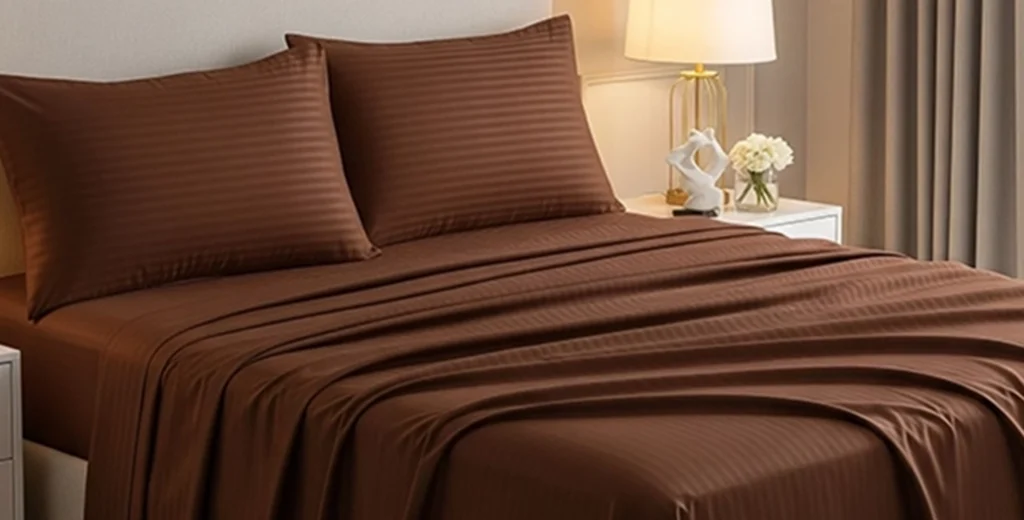
Luxury Collection Bed Sheet
1000 Thread Count, Ultra-soft, Perfect for Dubai Climate
AED116 – AED151
Related Articles
Stay Update
Get expert tips and exclusive offers delivered to your inbox.


Recent Comments