


Table of Contents
- Introduction: The Hidden World of Bedsheet Weaves
- Understanding Fabric Weaves: More Than Just Thread Count
- The Crisp Comfort of Percale: A Closer Look
- The Luxurious Drape of Sateen: A Deeper Dive
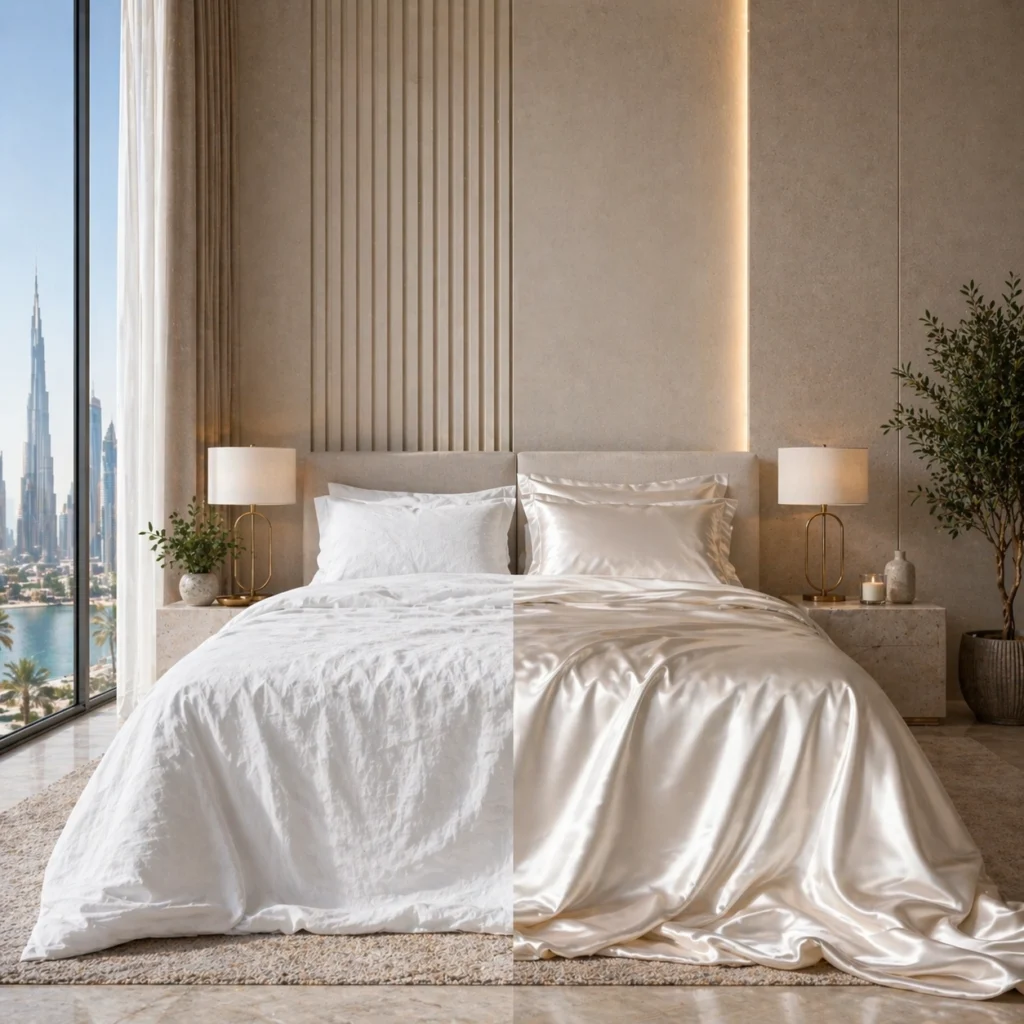
- Percale vs. Sateen: A Side-by-Side Comparison
- Thread Count: The Myth and the Reality for Each Weave
- Choosing Your Perfect Weave: Factors to Consider
- Pioneer Home’s Expertise in Percale and Sateen
- Frequently Asked Questions (FAQ)
- Conclusion: Your Journey to Superior Sleep Starts Here
Introduction: The Hidden World of Bedsheet Weaves – Why It Matters More Than You Think
When you think about buying new bed sheets, what’s the first thing that comes to mind? For many, it’s often the color, the pattern, or perhaps the thread count.
While these aspects are certainly important, there’s a hidden world beneath the surface that profoundly impacts how your sheets feel, perform, and even last: the fabric weave.
In the diverse and often warm climate of the United Arab Emirates, understanding the nuances of bedsheet weaves is not just a matter of preference; it’s a key to unlocking truly comfortable and restorative sleep.
Two of the most popular and often-discussed weaves in the luxury bedding market are Percale and Sateen.
Both are crafted from high-quality cotton, yet they offer distinctly different sensory experiences. Choosing between them can be the difference between a cool, crisp night’s sleep and a warm, silky embrace.
This comprehensive guide from Pioneer Home is designed to demystify the debate of Percale vs. Sateen.
We’ll delve deep into the construction, feel, benefits, and ideal uses for each weave, helping you make an informed decision that aligns with your personal sleep preferences, the local climate, and your desired bedroom aesthetic.
Whether you’re seeking the breathable freshness of percale for those warmer Dubai nights or the smooth, luxurious drape of sateen for a touch of opulence, we’ll provide all the insights you need.
By the end of this guide, you’ll not only understand the technical differences but also confidently know which bed sheet weave is right for you, ensuring every night is a step towards superior sleep.
For a broader understanding of what constitutes truly exceptional bedding, including thread count and material quality, be sure to explore our definitive guide to the best bedsheets in Dubai.
Understanding Fabric Weaves: More Than Just Thread Count
Before we dive into the specifics of percale and sateen, it’s crucial to grasp what a fabric weave actually is.
In simplest terms, weaving is the method by which two distinct sets of yarns or threads are interlaced at right angles to form a fabric.
The way these threads cross over and under each other creates the weave pattern, and this pattern dictates many of the fabric’s properties.
Think of it like building a house: the materials (cotton fibers) are important, but how they are put together (the architectural plan, or weave) determines the final structure’s strength, appearance, and functionality.
Why is the weave so important?
Feel and Texture
The weave directly influences how the fabric feels against your skin – whether it’s crisp, smooth, soft, or textured.
Breathability
The tightness and pattern of the weave affect how air circulates through the fabric, impacting how cool or warm the sheets feel.
Durability
Some weaves are inherently stronger and more resistant to wear and tear than others.
Appearance
The weave gives the fabric its characteristic sheen or matte finish, and how it drapes on the bed.
Maintenance
Certain weaves may wrinkle more easily or require specific care instructions.
While thread count often gets all the attention, it’s merely a measure of how many threads are woven into one square inch of fabric.
The Crisp Comfort of Percale: A Closer Look
What is Percale?
Crisp and Cool
The most defining characteristic of percale is its crisp, cool feel. It’s often described as having a “matte” finish, similar to a freshly laundered dress shirt. This crispness provides a refreshing sensation, especially when you first slip into bed.
Lightweight
Softens with Age
While initially crisp, high-quality percale sheets become softer and more inviting with each wash, without losing their characteristic coolness or durability.
Breathability and Durability
Exceptional Breathability
he one-over, one-under weave creates a balanced, open structure that allows air to circulate freely. This makes percale incredibly breathable, helping to dissipate heat and moisture away from your body. This is a significant advantage for sleepers who tend to overheat.
Durable and Long-Lasting
The tight plain weave also contributes to percale’s impressive durability. It’s a strong, stable fabric that resists pilling and tearing, making it a long-lasting investment. With proper care, percale sheets can maintain their integrity and comfort for many years.
Ideal for the UAE Climate
Given the often-warm and humid climate of the UAE, percale sheets are an excellent choice for residents seeking comfort.
For those who prefer a refreshing sleep experience, especially during the hotter months, percale offers an unparalleled solution.
Pioneer Home’s percale collections are specifically curated to provide this optimal comfort, ensuring you stay cool and dry throughout the night.
The Luxurious Drape of Sateen: A Deeper Dive
If your idea of luxury involves a silky-smooth touch and a subtle sheen, then sateen sheets are likely to be your preference. This weave offers a different kind of comfort, one that feels rich and indulgent against the skin.
What is Sateen?
Sateen is characterized by a satin weave structure, but it’s made from cotton (whereas true satin is traditionally made from silk or synthetic fibers).
In a sateen weave, multiple warp threads (typically four or more) pass over a single weft thread, and then under one.
This creates more exposed surface area of the warp threads, which are often finer and more lustrous. This unique weaving technique is responsible for sateen’s distinctive smooth feel and subtle sheen.
Silky and Soft
Sateen sheets are renowned for their incredibly smooth, soft, and luxurious feel. They have a slight sheen, often described as a subtle luster, which gives them an elegant and opulent appearance.
Drapes Beautifully
Less Prone to Wrinkling
Compared to percale, sateen tends to be more resistant to wrinkling, which can be a benefit for those who prefer a perpetually neat bed with minimal effort.
Warmth and Appearance
Slightly Warmer
Due to its tighter weave and higher thread density on the surface, sateen can feel slightly warmer than percale. This makes it a popular choice for cooler climates or for sleepers who prefer a cozier feel.
Elegant Sheen
The characteristic sheen of sateen adds a touch of sophistication and luxury to any bedroom decor. It reflects light beautifully, enhancing the richness of colors.
While sateen is slightly warmer than percale, high-quality cotton sateen can still be a comfortable choice in the UAE, especially if you have air conditioning or prefer a cozier feel.
The luxurious softness and elegant drape make it a favorite for those seeking a hotel-like experience.
For the cooler winter months in the UAE, sateen can provide that extra touch of warmth and comfort. Pioneer Home offers exquisite sateen collections that balance luxurious feel with practical comfort, ensuring a delightful sleep experience year-round.
Percale vs. Sateen: A Side-by-Side Comparison
To help you visualize the key differences, here’s a comparative table summarizing the characteristics of percale and sateen weaves:
Feature | Percale | Sateen |
|---|---|---|
Weave Pattern | One-over, one-under (plain weave) | Four-over, one-under (or more) (satin weave) |
Feel/Texture | Crisp, cool, matte, breathable | Silky smooth, soft, lustrous, warmer |
Appearance | Matte finish, classic, understated | Subtle sheen, elegant, luxurious |
Breathability | High (excellent for warm sleepers/climates) | Moderate (can feel warmer due to tighter surface) |
Durability | Very durable, resistant to pilling, long-lasting | Durable, but can be more prone to snagging than percale |
Wrinkle Resistance | More prone to wrinkling (embraces a relaxed look) | More resistant to wrinkling, drapes smoothly |
Ideal For | Hot sleepers, warm climates (like UAE), those who prefer a crisp hotel feel | Cold sleepers, cooler climates, those who prefer a silky, luxurious feel and look |
Softness | Softens with each wash, initially crisp | Immediately soft and smooth |
This table provides a quick reference, but remember that the quality of the cotton fibers (e.g., long-staple cotton) and the finishing processes also play a significant role in the final product.
Thread Count: The Myth and the Reality for Each Weave
Thread count, often touted as the ultimate measure of sheet quality, is frequently misunderstood.
While it does indicate the number of threads per square inch, a higher number doesn’t always equate to better quality, especially when comparing different weaves.
The type of cotton, the ply of the yarn, and the weave itself are often more significant indicators of comfort and durability.
Thread Count in Percale
Sateen weaves, with their more threads-on-surface construction, often have a slightly higher perceived ideal thread count, typically ranging from 300 to 600.
The higher thread count contributes to sateen’s characteristic silky smoothness and subtle sheen.
However, similar to percale, going beyond a certain point (e.g., 800 or 1000) can be misleading.
Again, focus on the quality of the cotton (long-staple is key) and the ply of the yarn.
A 400-thread-count sateen made from premium single-ply long-staple cotton will almost always outperform an 800-thread-count sateen made from lower-quality, multi-ply cotton.
Thread Count in Sateen
Sateen weaves, with their more threads-on-surface construction, often have a slightly higher perceived ideal thread count, typically ranging from 300 to 600.
The higher thread count contributes to sateen’s characteristic silky smoothness and subtle sheen.
However, similar to percale, going beyond a certain point (e.g., 800 or 1000) can be misleading.
Again, focus on the quality of the cotton (long-staple is key) and the ply of the yarn.
A 400-thread-count sateen made from premium single-ply long-staple cotton will almost always outperform an 800-thread-count sateen made from lower-quality, multi-ply cotton.
At Pioneer Home, we prioritize the overall quality of the fabric – the fiber, the weave, and the finishing – over a misleadingly high thread count number.
We ensure that our percale and sateen collections offer the optimal thread count for their respective weaves, guaranteeing genuine comfort, breathability, and durability.
For more insights into thread count and other factors influencing bedsheet quality, refer to our definitive guide to the best bedsheets in Dubai.
Choosing Your Perfect Weave: Factors to Consider
Deciding between percale and sateen ultimately comes down to a combination of personal preference, environmental factors, and practical considerations. Here’s a breakdown of what to think about:
Are you a hot sleeper?
Do you crave softness and a luxurious feel?
Do you like a crisp feel?
If you enjoy the sensation of fresh, starched linen, percale’s crispness will appeal to you.
Warm Months (Year-Round in many parts of UAE)
Percale’s superior breathability makes it an ideal choice for the warmer months, helping you stay cool and dry. It’s a natural fit for the typical UAE climate.
Cooler Months or Air-Conditioned Rooms
Sateen can be a comfortable option for those who keep their bedrooms well air-conditioned or during the milder winter months in the UAE, offering a touch more warmth and a cozy feel.
Matte vs. Sheen
Do you prefer a classic, understated matte finish (percale) or a subtle, elegant sheen (sateen)? If you tend to overheat at night, or simply prefer a cool, refreshing sensation, percale is likely your best bet. Its breathability helps regulate body temperature.
Wrinkles
Percale is more prone to wrinkling, which some find charming and natural, while sateen offers a smoother, more wrinkle-resistant appearance.
Durability
Both are durable when made from quality cotton, but percale is often considered slightly more robust against snags due to its tighter weave.
Consider these factors carefully, and if possible, try to experience both weaves firsthand. Pioneer Home offers a range of both percale and sateen options, allowing you to find the perfect match for your unique needs and preferences.
Pioneer Home’s Expertise in Percale and Sateen: Crafting Your Perfect Sleep
Our commitment to quality ensures that regardless of the weave you choose, you are investing in bedding that is not only beautiful but also durable, breathable, and incredibly comfortable.
We believe in transparency, providing clear information about our products so you can make an informed choice.
Whether you’re drawn to the crisp, cool embrace of percale or the silky, opulent touch of sateen, Pioneer Home delivers on its promise of superior sleep.
We believe in transparency, providing clear information about our products so you can make an informed choice.
We invite you to explore our collections and discover the difference that a thoughtfully chosen weave can make.
Our experts are always on hand to guide you through the selection process, ensuring your bed becomes a sanctuary of comfort tailored precisely to your needs.
Experience the Pioneer Home difference – where quality, comfort, and informed choices converge to create the ultimate sleeping environment.
For a deeper understanding of our commitment to quality across all our bedding products, including thread count and material sourcing, please visit our definitive guide to the best bedsheets in Dubai.
Frequently Asked Questions (FAQ)
The main difference lies in their weave pattern, which affects their feel, appearance, and breathability. Percale has a simple one-over, one-under weave, resulting in a crisp, matte, and breathable fabric. Sateen uses a four-over, one-under weave, giving it a silky-smooth feel, a subtle sheen, and a slightly warmer drape.
Percale is generally better for hot sleepers, especially in the warm UAE climate. Its plain weave allows for greater air circulation, making it more breathable and cooler to the touch than sateen.
While sateen sheets have a silky-smooth feel and a subtle sheen similar to satin, they are made from cotton, not silk or synthetic fibers. This makes them more durable and easier to care for than traditional satin, while still offering a luxurious touch.
No, the weave is often more important than thread count in determining the feel and performance of bed sheets. A good quality weave (percale or sateen) made from long-staple cotton with an optimal thread count (200-400 for percale, 300-600 for sateen) will generally outperform a sheet with a very high, but misleading, thread count.
Yes, percale sheets are known for their exceptional durability. The tight, plain weave makes them strong and resistant to pilling and tearing, ensuring they last for many years with proper care.
Both percale and sateen sheets made from cotton can typically be machine washed in cold or warm water with a gentle detergent. Tumble dry on low heat. Avoid high heat, as it can damage the fibers. Always check the specific care instructions on your bedding’s label for best results.
Conclusion: Your Journey to Superior Sleep Starts Here
Navigating the world of bedsheet weaves, particularly the choice between percale vs. sateen, is a crucial step in curating your ideal sleep environment.
It’s a decision that goes beyond mere aesthetics, deeply influencing your comfort, the quality of your rest, and the longevity of your investment.
Published on
Luxury Collection Bed Sheet
1000 Thread Count, Ultra-soft, Perfect for Dubai Climate
AED116 – AED151
Related Articles
Stay Update
Get expert tips and exclusive offers delivered to your inbox.






Recent Comments